
5 Stylish Fence Materials That Will Last in the Bay Area
Blog post description.
1/1/20246 min read
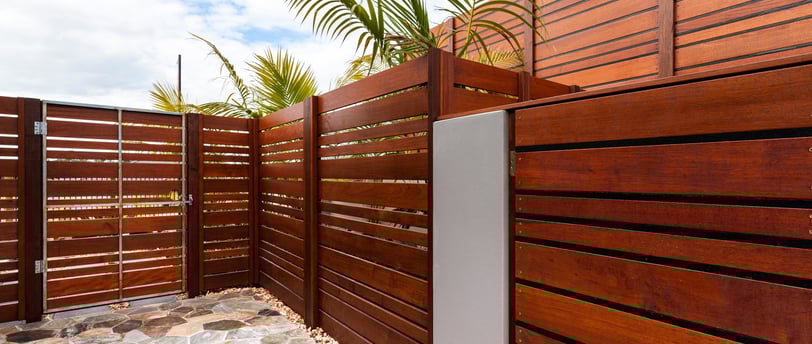
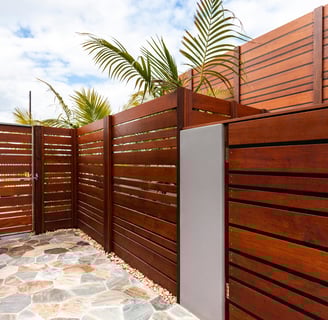
Ipe
Material: Ipe wood is a dark brown to olive-brown hardwood with a fine to medium texture. It is known for its hardness and density, making it resistant to scratches and wear.
Durability: Ipe is highly durable and has a natural resistance to decay, insects, and mold. This makes it an excellent choice for outdoor structures like fences, as it can withstand exposure to the elements.
Density: Ipe is one of the densest hardwoods available. Its density contributes to its strength and longevity, ensuring that an ipe fence can withstand the test of time.
Appearance: The wood has a rich and attractive appearance, often featuring a deep brown color with subtle variations. Over time, ipe wood tends to develop a silver-gray patina when exposed to sunlight, but this can be maintained or restored with proper care and finishing.
Installation: Ipe wood is generally considered more challenging to work with due to its hardness. Specialized tools and expertise are often required for cutting and shaping. However, its durability and low maintenance requirements can offset the initial challenges during installation.
Maintenance: One of the key benefits of an ipe fence is its low maintenance requirements. Periodic cleaning and sealing may be recommended to preserve the wood's natural color and prevent the development of a silver patina.
Cost: Ipe wood is considered a premium hardwood, and as such, it tends to be more expensive compared to other types of wood commonly used for fences. However, its longevity and resistance to decay can justify the higher initial cost over time.
Red Balau
Material: Red Balau, also known as Shorea laevis or Batu, is a tropical hardwood originating from Southeast Asia. It is known for its rich reddish-brown color and straight grain.
Durability: Red Balau is a durable hardwood with natural resistance to decay, insects, and rot. This makes it suitable for outdoor applications, such as fencing, where exposure to the elements is a concern
Appearance: The wood has a distinctive reddish-brown color that can vary from light to dark tones. Over time, Red Balau may darken and develop a natural patina. Its fine to medium texture and straight grain contribute to a visually appealing appearance.
Density: Red Balau is moderately dense, providing a good balance between strength and workability. It is easier to work with compared to some denser hardwoods, making it suitable for various construction projects.
Installation: Red Balau is generally considered workable with standard woodworking tools. Its moderate density allows for easier cutting and shaping during installation compared to some harder tropical hardwoods.
Maintenance: Like many hardwoods used in outdoor applications, Red Balau requires periodic maintenance to preserve its appearance. This may include cleaning and resealing to protect the wood from UV exposure and the elements. Regular maintenance helps prevent the wood from weathering and graying over time.
Cost: Red Balau is considered a cost-effective option for a tropical hardwood. While it may be more expensive than softwood alternatives, its durability and aesthetic qualities can make it a good investment for those looking for a long-lasting and visually appealing fence.
Con Heart Redwood
Material: Redwood is a type of softwood that comes from several species of the Sequoia sempervirens tree. The heartwood of the redwood tree is known for its attractive reddish-brown color.
Conheart Grade: The term "Conheart" likely indicates that the wood comes from the center, or heart, of the tree. This part of the tree tends to have a deeper and richer color compared to the outer sapwood. Conheart grade redwood is often sought after for its enhanced durability and resistance to decay.
Durability: Redwood, especially heartwood, is naturally resistant to decay, insects, and rot. This makes it a suitable choice for outdoor structures, as it can withstand exposure to the elements without significant deterioration.
Appearance: Conheart redwood typically has a warm, reddish-brown hue that adds natural beauty to fences. The wood has a straight grain and a relatively uniform texture, contributing to an aesthetically pleasing appearance.
Density: Redwood is a moderately lightweight softwood. While it is not as dense as some hardwoods, its density is adequate for outdoor applications, providing a good balance between workability and strength.
Installation: Redwood is generally considered easy to work with using standard woodworking tools. The Conheart grade, being from the center of the tree, may have fewer knots and a more consistent color, making it easier to achieve a uniform and polished look.
Maintenance: Redwood fences, including those with a Conheart grade, benefit from regular maintenance. This may include cleaning, sealing, or staining to protect the wood from weathering, UV exposure, and moisture. Proper maintenance helps preserve the wood's appearance and extend its lifespan.
Cost: Redwood is often considered a premium material, and Conheart grade may come with a higher price tag compared to other grades or types of redwood. However, many find the investment worthwhile due to the wood's durability and aesthetic appeal.
Wrought Iron
Material: Wrought iron is an iron alloy with a very low carbon content, making it malleable and easily workable. While contemporary wrought iron fences may be made from steel, the term "wrought iron" is often used to describe fences with a similar appearance and craftsmanship.
Construction: Wrought iron fences are known for their intricate and ornate designs. The iron is typically heated and shaped by skilled blacksmiths, resulting in decorative elements such as scrolls, twists, and finials. The individual components are then assembled to create the fence panels.
Durability: Wrought iron is highly durable and resistant to rust and corrosion. This makes it well-suited for outdoor use, providing a long-lasting and robust fencing solution.
Appearance: Wrought iron fences are admired for their timeless and elegant appearance. The intricate patterns and decorative elements make them a popular choice for enhancing the aesthetic appeal of properties. The finish can vary, including traditional black, bronze, or custom paint colors.
Security: Wrought iron fences can provide a high level of security, acting as a strong deterrent against unauthorized entry. The sturdy construction and lack of easily scalable features make them a popular choice for residential, commercial, and institutional applications.
Versatility: Wrought iron fencing is versatile and can be customized to suit different styles and preferences. It can be designed to match the architectural features of a property and can be adapted for various heights and configurations.
Maintenance: While wrought iron is resistant to rust, it may still require periodic maintenance. This can include cleaning to remove dirt and debris and applying a protective coating or paint to prevent corrosion and maintain its appearance.
Cost: Wrought iron fences are often considered a premium option due to the craftsmanship involved in their creation. The cost can vary depending on the complexity of the design, the size of the fence, and other customization factors.
Installation: Installing a wrought iron fence requires expertise, and it is often recommended to hire professionals for the job. The fence panels are typically attached to posts, and installation may involve digging post holes and securing the fence in place.
Composite
Trex Fence
Material Composition: Composite fences are typically made from a blend of recycled wood fibers, often from sawdust or wood chips, and recycled plastic. The combination of these materials aims to create a product that is durable, low-maintenance, and environmentally friendly.
Durability: Composite fences are known for their durability and resistance to various outdoor elements. They are less susceptible to rotting, decay, and insect damage compared to traditional wood fences. The plastic component provides protection against moisture, preventing issues like warping and splitting.
Appearance: Composite fences often mimic the look of wood, providing a natural and aesthetically pleasing appearance. They are available in various styles and colors to match different architectural designs and landscaping preferences.
Low Maintenance: One of the key advantages of composite fences is their low maintenance requirements. They do not require staining or painting, and they resist fading over time. Regular cleaning with soap and water is usually sufficient to keep the fence looking good.
Environmentally Friendly: Many composite fences are made from recycled materials, making them a more sustainable and environmentally friendly option compared to traditional wood fences. Additionally, the longevity of composite materials can contribute to reduced demand for new wood resources.
Resistance to Fading: The plastic component in composite fences helps prevent fading caused by exposure to sunlight. This means that the fence is likely to retain its color and appearance for a more extended period compared to some wood alternatives.
Installation: Composite fences are generally designed for easy installation. They often come with interlocking components or a system that allows for straightforward assembly. While the installation process may be similar to that of traditional wood fences, it's important to follow the manufacturer's guidelines for best results.
Cost: Composite fences are typically more expensive upfront compared to traditional wood fences. However, the long-term savings in maintenance costs and the durability of the material can offset the initial investment.
Customization: Composite fences offer customization options in terms of color, style, and design. Homeowners can choose from various profiles and accessories to achieve the desired look for their property.