
7 Popular Bathroom Styles for 2024
Understand the 7.
Jordan Reise
1/3/202412 min read
7 Styles
Art Deco
An Art Deco bathroom draws inspiration from the design movement that flourished in the 1920s and 1930s. Art Deco is characterized by its geometric shapes, bold colors, luxurious materials, and a sense of opulence. Here's a description of key elements that define an Art Deco bathroom:
Color Palette:
Art Deco bathrooms often feature a bold and contrasting color palette. Black and white combinations are popular, and vibrant accent colors such as deep red, emerald green, or royal blue are frequently used.
Mirrored surfaces and metallic accents in chrome or gold can enhance the overall color scheme.
Geometric Patterns:
Geometric patterns, particularly zigzags, chevrons, and angular shapes, are hallmark features of Art Deco design. These patterns can be incorporated into tiles, wallpaper, or even inlaid into flooring.
Luxurious Materials:
Art Deco bathrooms embrace luxurious materials. Common choices include marble, granite, chrome, glass, and polished wood. These materials contribute to a sense of sophistication and opulence.
Tilework:
Tiles play a crucial role in an Art Deco bathroom. Black and white checkered or hexagonal tiles are popular choices for the floor, creating a visually striking and timeless look.
Colorful and intricate tile patterns, often with geometric designs, may adorn walls and backsplashes.
Fixtures and Fittings:
Faucets, showerheads, and other bathroom fixtures in an Art Deco bathroom often feature streamlined and symmetrical designs. Chrome and nickel finishes are commonly used for their sleek and modern appearance.
Freestanding pedestal sinks with angular lines or basins with decorative details are characteristic of Art Deco bathrooms.
Mirrors and Lighting:
Mirrors are a prominent feature in Art Deco bathrooms. Large, framed, and often uniquely shaped mirrors contribute to the sense of glamour.
Lighting fixtures are another opportunity to incorporate Art Deco elements. Sconces, wall lights, and pendant lights with geometric shapes or frosted glass shades can enhance the overall aesthetic.
Furniture and Accessories:
Art Deco bathrooms may include furniture pieces such as vanity units, storage cabinets, or seating that feature lacquered wood, mirrored surfaces, or chrome detailing.
Accessories like soap dispensers, towel bars, and tissue holders with streamlined and geometric designs contribute to the cohesive style.
Bold Artwork:
Art Deco bathrooms may showcase bold and iconic artwork on the walls. Posters, prints, or even painted murals that reflect the era's artistic influences can be incorporated.
Symmetry and Clean Lines:
Symmetry and clean lines are fundamental to Art Deco design. Bathroom layouts often feature balanced arrangements, and fixtures are carefully placed to maintain a sense of order and harmony.
Overall, an Art Deco bathroom is a harmonious blend of luxury, geometric precision, and bold design choices. The key is to create a space that exudes the glamour and sophistication associated with the Art Deco era while incorporating modern conveniences for a functional and visually stunning bathroom.
Arts & Crafts
An Arts and Crafts bathroom reflects the design principles of the Arts and Crafts movement, which emerged in the late 19th and early 20th centuries. This design style emphasizes craftsmanship, simplicity, and a connection to nature. Here's a description of key elements that define an Arts and Crafts bathroom:
Natural Materials:
Arts and Crafts bathrooms often showcase natural materials such as wood, stone, and tile. Oak and other hardwoods are frequently used for cabinetry and furniture, contributing to a warm and inviting atmosphere.
Simple and Functional Design:
The Arts and Crafts movement prioritizes simplicity and functionality. Bathrooms in this style typically feature clean lines, straightforward layouts, and an emphasis on practicality.
Handcrafted Details:
Handcrafted elements are a hallmark of Arts and Crafts design. Custom-built cabinetry, handmade tiles, and artisan-crafted fixtures contribute to the authenticity of the space.
Exposed joinery, such as visible tenons and dovetail joints in furniture, highlights the craftsmanship inherent in Arts and Crafts design.
Earthy Color Palette:
Colors in an Arts and Crafts bathroom are inspired by nature, featuring earthy tones such as greens, browns, and muted yellows. These colors evoke a sense of harmony with the surrounding environment.
Tilework with Natural Motifs:
Tilework often plays a significant role in Arts and Crafts bathrooms. Tiles may feature nature-inspired motifs such as leaves, flowers, or geometric patterns, reflecting the movement's emphasis on the natural world.
Built-in Storage:
Arts and Crafts bathrooms often incorporate built-in storage solutions, such as recessed cabinets and shelves. These elements contribute to the clean and uncluttered appearance of the space.
Functional Fixtures:
Fixtures in an Arts and Crafts bathroom are chosen for their functionality and simplicity. Pedestal sinks and clawfoot bathtubs with clean lines are common choices.
Wainscoting and Wood Paneling:
Wainscoting and wood paneling add a sense of warmth and craftsmanship to the bathroom. These elements are often featured on walls, providing a traditional and timeless look.
Stained Glass:
Stained glass windows or decorative panels may be incorporated to bring a touch of color and artistic flair to the space. These elements contribute to the Arts and Crafts emphasis on handmade and unique craftsmanship.
Arts and Crafts Accessories:
Accessories such as wrought iron towel bars, light fixtures with mica shades, and handwoven textiles complement the overall Arts and Crafts aesthetic.
Emphasis on Light:
Arts and Crafts bathrooms often feature ample natural light. Windows are typically left untreated or adorned with simple and functional window coverings that allow light to filter in.
Arts and Crafts Furniture:
Furniture in an Arts and Crafts bathroom is chosen for its craftsmanship and simplicity. Vanities, cabinets, and seating may feature straight lines, solid construction, and handcrafted details.
An Arts and Crafts bathroom is a celebration of craftsmanship, simplicity, and a connection to the natural world. It embraces a timeless and comfortable design that brings a sense of authenticity and beauty to the space.
Contemporary
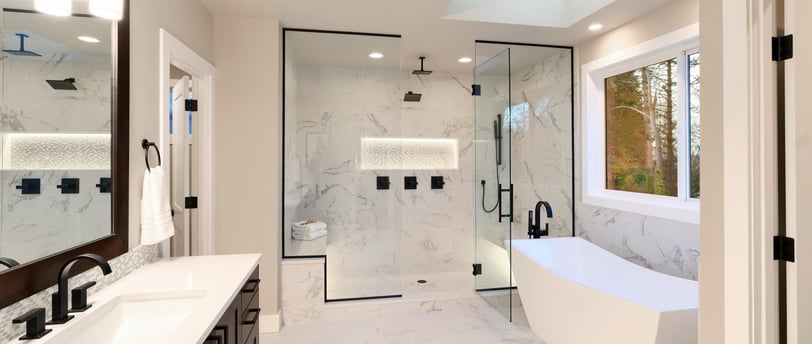
A contemporary bathroom design reflects the current trends and styles of the present day, emphasizing sleek lines, clean surfaces, and a focus on functionality. Here's a description of key elements that define a contemporary bathroom:
Clean Lines and Minimalism:
Contemporary bathrooms often feature clean, straight lines and a minimalist aesthetic. Clutter is minimized, and there is an emphasis on simplicity and functionality in the design.
Neutral Color Palette:
Neutral colors are prevalent in contemporary bathrooms, with white, gray, beige, and black being popular choices. These neutral tones create a clean and timeless backdrop for the space.
Natural Materials with a Modern Twist:
Contemporary bathrooms may incorporate natural materials, such as stone or wood, but with a modern twist. For example, sleek and polished stone tiles or minimalist wood cabinetry can add warmth without compromising the clean, contemporary look.
Open and Airy Layout:
Contemporary bathrooms often feature an open and airy layout. Glass shower enclosures, floating vanities, and uncluttered spaces contribute to a sense of openness and modernity.
Functional Fixtures and Fittings:
Fixtures and fittings in a contemporary bathroom are chosen for their functionality and modern design. Wall-mounted faucets, streamlined sinks, and simple, geometric shapes are common choices.
Innovative Lighting:
Contemporary bathrooms often showcase innovative lighting designs. Recessed lighting, LED fixtures, and pendant lights with clean lines contribute to the overall modern aesthetic.
Technology Integration:
Contemporary bathrooms may incorporate smart technology, such as touchless faucets, digital temperature controls, or integrated sound systems for a luxurious and high-tech experience.
Textured Surfaces:
While maintaining a clean and sleek appearance, contemporary bathrooms may introduce texture through carefully chosen materials. Textured tiles, textured wall panels, or patterned accents can add visual interest.
Geometric Patterns:
Geometric patterns, such as hexagonal tiles or linear patterns, are commonly used in contemporary bathrooms. These patterns contribute to a modern and visually stimulating environment.
Vessel Sinks and Freestanding Tubs:
Vessel sinks and freestanding tubs are popular choices in contemporary bathrooms. These fixtures add a touch of luxury and serve as focal points in the overall design.
Bold Accents:
While the overall palette tends to be neutral, contemporary bathrooms may incorporate bold accents in the form of colorful tiles, vibrant accessories, or unique artwork to add personality and interest.
Floating Vanities and Wall-Mounted Storage:
Contemporary bathrooms often feature floating vanities or wall-mounted storage solutions. This not only contributes to the minimalist aesthetic but also creates a sense of openness by exposing more of the floor.
Frameless Mirrors:
Frameless mirrors with clean edges are commonly used in contemporary bathrooms. They contribute to the sense of simplicity and openness in the space.
A contemporary bathroom design is characterized by a combination of modern aesthetics, functionality, and an emphasis on simplicity. It creates a clean, inviting, and visually pleasing environment that aligns with current design trends.
Country
A country bathroom design draws inspiration from rural and rustic aesthetics, evoking a warm and cozy atmosphere reminiscent of traditional country homes. Here's a description of key elements that define a country bathroom:
Natural Materials:
Country bathrooms often feature natural materials such as wood, stone, and brick. Wooden beams, reclaimed wood for vanities or accents, and stone tiles contribute to the rustic charm.
Warm Color Palette:
Warm and earthy tones dominate the color palette of a country bathroom. Shades of beige, cream, soft blues, greens, and warm whites create a welcoming and comforting environment.
Vintage Fixtures and Furniture:
Vintage fixtures, such as clawfoot tubs, pedestal sinks, and antique-style faucets, are common in country bathrooms. These elements contribute to a timeless and classic look.
Farmhouse-Style Vanities:
Country bathrooms often feature farmhouse-style vanities with simple lines, open shelving, and distressed finishes. These vanities provide both functionality and a touch of rustic charm.
Freestanding Bathtubs:
Freestanding bathtubs, often with a classic design, are a popular choice in country bathrooms. They add a sense of luxury and vintage appeal to the space.
Patterned Fabrics:
Country bathrooms incorporate patterned fabrics such as gingham, floral, or plaid for shower curtains, window treatments, and linens. These patterns contribute to the cozy and inviting feel of the space.
Exposed Beams and Wood Paneling:
Exposed wooden beams on the ceiling and wood paneling on walls add a rustic touch to country bathrooms. These elements create a sense of warmth and character.
Wicker or Basket Storage:
Wicker baskets or other natural material storage solutions are often used in country bathrooms. They provide both a functional and decorative way to organize toiletries and linens.
Vintage Lighting:
Vintage or farmhouse-style light fixtures, such as lantern-style wall sconces or pendant lights, add a nostalgic and charming element to the country bathroom.
Tiled Floors:
Tiled floors with patterns like checkerboard or simple ceramic tiles in earthy tones are common in country bathrooms. This adds practicality and contributes to the overall design.
Antique Mirrors:
Antique or distressed mirrors with ornate frames complement the vintage theme in country bathrooms. These mirrors add character and a touch of elegance to the space.
Accessories with Character:
Country bathrooms showcase accessories with character, such as vintage signs, mason jar soap dispensers, or wooden accents. These details contribute to the overall country-inspired ambiance.
Floral and Greenery Decor:
Floral arrangements, potted plants, or bouquets of fresh flowers bring a touch of nature into the bathroom. Greenery enhances the country vibe and adds a refreshing element.
A country bathroom design exudes a timeless and relaxed atmosphere, combining rustic elements with vintage charm. It's a space that feels inviting, comfortable, and connected to the simplicity of rural living.
Shaker
A Shaker bathroom design reflects the principles of the Shaker style, a design movement that originated with the Shaker religious community in the 18th century. Known for its simplicity, functionality, and emphasis on craftsmanship, a Shaker bathroom typically incorporates the following elements:
Simple and Clean Lines:
Shaker design is characterized by clean, straight lines and a focus on simplicity. In a Shaker bathroom, you'll find straightforward and unadorned elements that prioritize functionality and practicality.
Natural Materials:
Shaker bathrooms often feature natural materials such as wood, typically in a light or natural finish. Oak, maple, or cherry wood is commonly used for cabinetry, furniture, and trim.
Functional Furniture-Like Cabinetry:
Shaker-style cabinetry is a hallmark of the design. Cabinets often have inset panels, simple hardware, and a timeless design that resembles freestanding furniture. The emphasis is on functionality and utility.
Subdued Color Palette:
The color palette in a Shaker bathroom tends to be subdued and neutral. Whites, creams, light grays, and natural wood tones are common, creating a serene and calming atmosphere.
Minimalist Decor:
Decor in a Shaker bathroom is minimalistic. The design avoids unnecessary ornamentation, and any decorative elements are purposeful and functional.
Built-In Storage:
Shaker design values practical storage solutions. Built-in shelves, recessed cabinets, and integrated storage spaces are common to keep the space organized and clutter-free.
Paneling and Beadboard:
Wall paneling or beadboard is often used in Shaker bathrooms, adding a touch of texture while maintaining the simple and clean aesthetic.
Shaker Peg Rails:
Shaker peg rails, with their distinctive pegs, are a signature feature. They are used for hanging towels, robes, or other items, adding both functionality and a touch of tradition to the space.
Simple Hardware:
Hardware in a Shaker bathroom is typically understated. Cabinet knobs and pulls are simple, often featuring wooden or metal materials that complement the overall design.
Rectangular Shapes:
Shaker bathrooms often incorporate rectangular shapes in elements such as mirrors, cabinets, and tiles. This geometric simplicity contributes to the overall harmony of the design.
Subway Tiles:
Subway tiles are a popular choice for the walls in a Shaker bathroom. They add a clean and classic touch, aligning with the timeless aesthetic of the Shaker style.
Freestanding Elements:
Freestanding elements, such as pedestal sinks or clawfoot tubs, contribute to the sense of simplicity and reflect the idea of functional furniture within the space.
Soft Lighting:
Soft and diffused lighting is favored in a Shaker bathroom. Wall sconces and pendant lights with simple, unembellished designs provide adequate illumination without distracting from the overall simplicity.
A Shaker bathroom design exudes a sense of serenity and timeless elegance. It's a space where functionality meets aesthetics, emphasizing the beauty of simplicity and the craftsmanship inherent in the Shaker design philosophy.
Traditional
A traditional bathroom design often combines classic elements, timeless aesthetics, and a sense of sophistication. Here's an example of a traditional bathroom:
Color Palette: The color palette is typically neutral, featuring shades of white, cream, beige, and soft pastels. These colors create a serene and elegant atmosphere.
Wall Coverings: Wainscoting or beadboard paneling may be used on the lower half of the walls, adding a traditional and decorative touch. Above, the upper walls might be painted in a neutral color or adorned with wallpaper featuring classic patterns such as damask or toile.
Flooring: Traditional bathrooms often have tiled floors. Classic choices include marble, ceramic, or porcelain tiles in a pattern like herringbone or checkerboard. Area rugs or mats with traditional patterns may be added for warmth.
Freestanding Bathtub: A clawfoot or pedestal bathtub is a hallmark of traditional bathroom design. It serves as a focal point and adds a touch of vintage elegance.
Vanities and Cabinetry: Wooden vanities with a rich finish, raised paneling, and decorative hardware contribute to the traditional aesthetic. The cabinetry provides ample storage, and a countertop made of materials like marble or granite adds a luxurious touch.
Sinks: Undermount or drop-in sinks with classic designs are common in traditional bathrooms. The faucets and fixtures are often crafted in polished chrome, brushed nickel, or oil-rubbed bronze finishes.
Mirrors and Lighting: A large, ornate mirror with a decorative frame hangs above the vanity, reflecting the traditional style. Traditional sconces or elegant wall-mounted fixtures provide warm and flattering lighting.
Wainscoting: Wainscoting may extend beyond the lower walls to the entire bathroom, adding a cohesive and traditional look. It not only enhances the visual appeal but also protects the walls from moisture.
Traditional Accessories: Accessories like towel racks, soap dispensers, and toothbrush holders are selected to complement the traditional theme. These may have classic designs and finishes, such as polished metals or antique brass.
Window Treatments: Curtains or shades in classic patterns like florals, stripes, or damask contribute to the traditional ambiance. Window treatments often allow natural light while providing privacy.
Classic Fixtures: Traditional bathrooms feature fixtures with a timeless design. The toilet and bathtub fixtures are chosen for their elegance and adherence to classic aesthetics.
Molding and Trim: Crown molding, baseboards, and other decorative trims contribute to the overall traditional look. These details add a finishing touch and create a sense of architectural refinement.
Art and Decor: Traditional artwork, such as framed paintings or prints, may adorn the walls. Decorative elements like candles, vases, or classic figurines are carefully chosen to enhance the traditional ambiance.
This example illustrates how traditional bathroom design incorporates classic elements, attention to detail, and a sense of timeless elegance. The result is a space that feels inviting, refined, and well-balanced.
Victorian
A Victorian bathroom design draws inspiration from the ornate and opulent style of the Victorian era, which spanned the reign of Queen Victoria in the United Kingdom from 1837 to 1901. Here's a description of key elements that define a Victorian bathroom:
1. Rich Color Palette:
Victorian bathrooms often feature a rich and varied color palette. Deep and saturated colors such as burgundy, forest green, navy blue, and royal red are common. These colors contribute to the luxurious and dramatic ambiance.
2. Elaborate Wall Coverings:
Wallpaper with intricate patterns and ornate details is a characteristic feature of Victorian bathrooms. Floral, damask, or paisley patterns are popular choices, often in deep and contrasting colors.
3. Tiled Floors:
Tiled floors are a common element in Victorian bathrooms. Geometric or floral-patterned tiles in a variety of colors create a visually stunning and elaborate floor design.
4. Clawfoot Bathtub:
A clawfoot bathtub is a quintessential element of a Victorian bathroom. These freestanding tubs, often made of cast iron, are elevated on decorative feet, adding a touch of vintage elegance.
5. Pedestal Sinks:
Pedestal sinks with intricate detailing and sculpted lines are favored in Victorian bathrooms. These sinks often feature porcelain or ceramic basins with decorative faucets and fixtures.
6. Ornate Vanities:
Vanities in Victorian bathrooms are typically elaborate, with carved wood details, decorative hardware, and a rich finish. Marble or granite countertops add to the luxurious appeal.
7. High Wainscoting and Paneling:
Wainscoting and wood paneling, often extending to a significant height on the walls, contribute to the Victorian aesthetic. These may be painted in a contrasting color to the upper walls or adorned with intricate molding.
8. Decorative Molding and Trim:
Elaborate molding and trim, such as crown molding, chair rails, and picture rails, are common in Victorian bathrooms. These details add a sense of grandeur and architectural sophistication.
9. Stained Glass Windows:
Stained glass windows or decorative glass panels are often incorporated to bring a touch of color and artistic flair to the space. These windows may feature floral or geometric designs.
10. Brass or Chrome Fixtures: - Victorian bathrooms may include fixtures in brass or chrome finishes. Faucets, showerheads, and other bathroom hardware are often intricately designed with a vintage touch.
11. Antique Mirrors: - Antique mirrors with ornate frames, often gilded or featuring intricate carvings, hang above vanities or on the walls. These mirrors add to the overall Victorian aesthetic.
12. Chandeliers and Wall Sconces: - Elegant chandeliers or ornate wall sconces with crystal details provide ambient lighting in Victorian bathrooms. These fixtures contribute to the opulent atmosphere.
13. Antique Furniture and Accessories: - Antique furniture pieces, such as a vintage vanity chair or an ornate storage cabinet, may be incorporated. Accessories like candleholders, perfume bottles, and decorative trays enhance the Victorian theme.
A Victorian bathroom design is characterized by its attention to detail, ornate features, and a sense of luxury. It transports the user to an era of opulence, embracing intricate patterns, rich colors, and timeless elegance.